
The Future of Search: A Look at Generative AI and Its Impact
Search Is Entering a New Era
Search is no longer defined by ten blue links and keyword matching. Generative AI has reshaped how people discover information, compare options, and make decisions. Instead of scanning results pages, users increasingly ask full questions and receive synthesised, conversational answers.
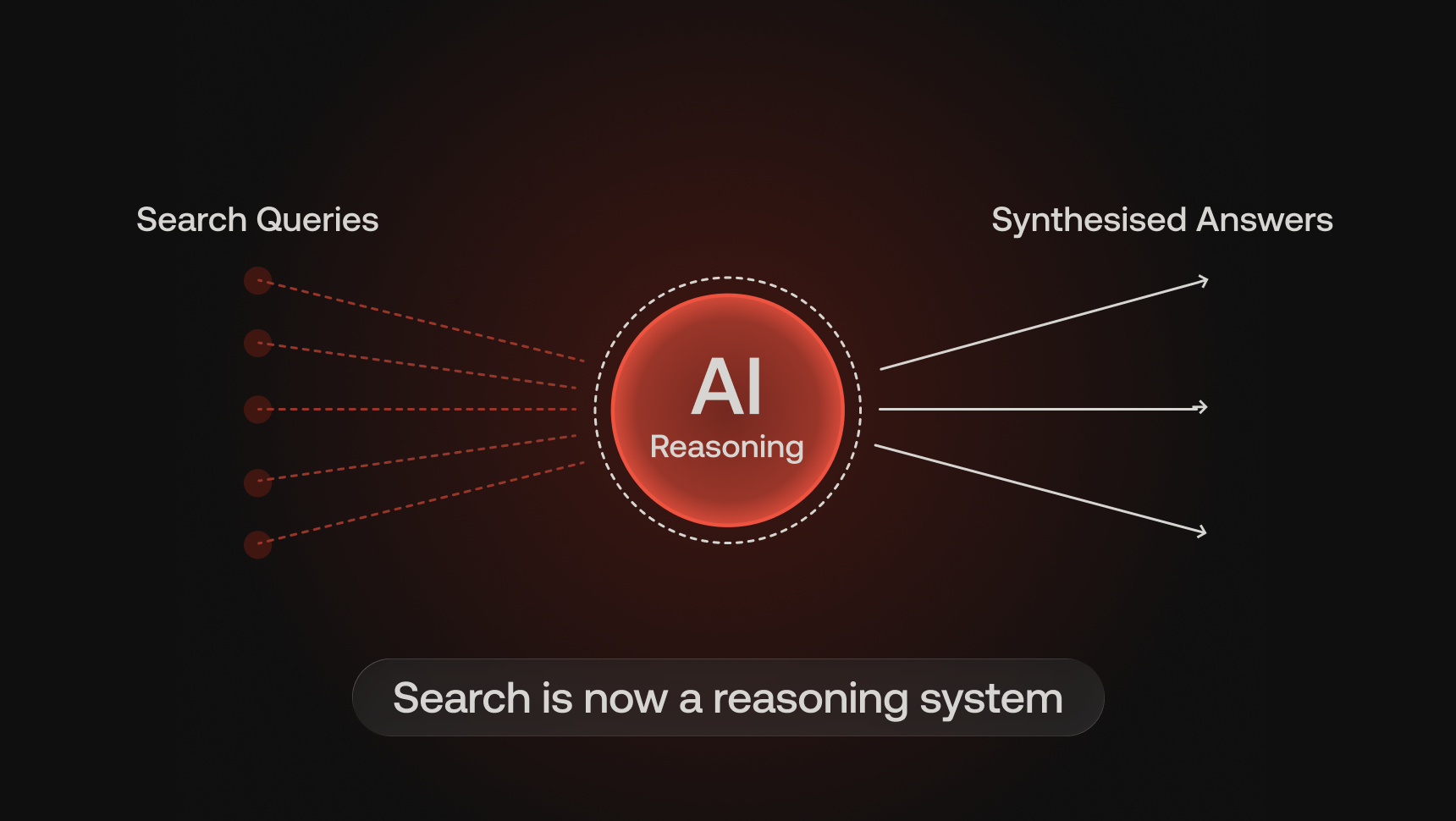
This shift represents a structural change in how information is retrieved and presented. Large language models, semantic understanding, and real time data integration are transforming search from a retrieval system into a reasoning system.
For brands, this is more than a technical update. It changes visibility, influence, and how authority is established online. Understanding where search is heading is essential for any organisation investing in digital growth.
From Keywords to Context: The Evolution of Search
Search has progressed through several major stages. Early engines relied heavily on keyword frequency and backlinks. The introduction of algorithms such as Google’s semantic updates and natural language processing models improved contextual understanding. A major milestone was the introduction of transformer architecture in the paper “Attention Is All You Need” published by researchers at Google in 2017, which laid the groundwork for modern large language models.
More recently, conversational AI systems such as ChatGPT by OpenAI and generative search experiences from Microsoft and Google have changed user expectations. Search engines now interpret intent, synthesise multiple sources, and provide structured answers.
Key developments in this evolution include:
- Semantic indexing that prioritises meaning over exact match keywords
- Entity recognition that connects concepts, brands, and topics
- Contextual memory that carries user intent across queries
- AI generated summaries that reduce the need to click through multiple pages
Generative AI is accelerating the shift toward conversational interfaces across industries. Search is now shaped by comprehension and synthesis rather than retrieval alone.
This evolution forms the foundation of Generative + Search Optimisation, where brands optimise for understanding rather than ranking position alone.
The Rise of Multi Agent Models and Autonomous Reasoning
The next phase of search is being shaped by multi agent systems. Instead of a single model producing an answer, multiple specialised agents collaborate to research, verify, reason, and structure outputs.
Multi agent systems can:
- Retrieve data from different sources
- Evaluate credibility signals
- Compare alternatives
- Perform multi step reasoning
- Generate summaries tailored to user intent
Emerging frameworks from organisations such as Anthropic and DeepMind are exploring how models coordinate reasoning tasks. These systems mimic how research teams operate, with distinct roles contributing to a final output.
For search, this means answers become more comprehensive and context aware. A user asking about financial planning, medical information, or legal considerations may receive synthesised responses that draw from structured data, verified publications, and contextual interpretation.
Multi agent reasoning introduces a higher expectation of clarity, factual grounding, and entity accuracy. Brands that provide structured, well-connected information will be more easily understood and referenced within these systems.
What Generative Search Means for Brands
As generative systems become primary gateways to information, traditional visibility metrics are evolving. Being indexed is no longer enough. Brands must be recognised as authoritative entities within a knowledge ecosystem.
This shift impacts:
1. Authority Signals
AI systems draw from high trust domains, consistent brand signals, and structured data. Clear entity definition, authoritative backlinks, and expert driven content improve the likelihood of being referenced.
For deeper insight into building entity authority, see our Definitive Guide to GSO.
2. Zero Click Influence
Generative answers often summarise insights directly in the interface. While this can reduce click through traffic, it increases the importance of being cited or referenced within AI generated responses.
3. Semantic Depth
Surface level optimisation provides limited value in generative environments. Content must demonstrate topical depth, contextual layering, and internal coherence. Learn more from our full breakdown of semantic content.
4. Brand Knowledge Graphs
AI systems rely heavily on entity relationships. Brands that invest in structured schemas and clear knowledge graph development strengthen their machine readability.
Sentius approaches this shift through Generative Search + Optimisation, aligning technical, semantic, and strategic frameworks to ensure brands remain discoverable across AI powered environments.
How to Prepare for the Next Phase of Search
Preparing for generative search requires both technical and strategic adjustments.
Strengthen Semantic Architecture
Content should be organised around topic clusters, entities, and clear contextual hierarchies. Each page should support a broader narrative of expertise.
Invest in Structured Data
Schema markup enhances how AI systems interpret brand information. Structured data clarifies authorship, products, services, and relationships between entities.
Optimise for Multi Platform AI
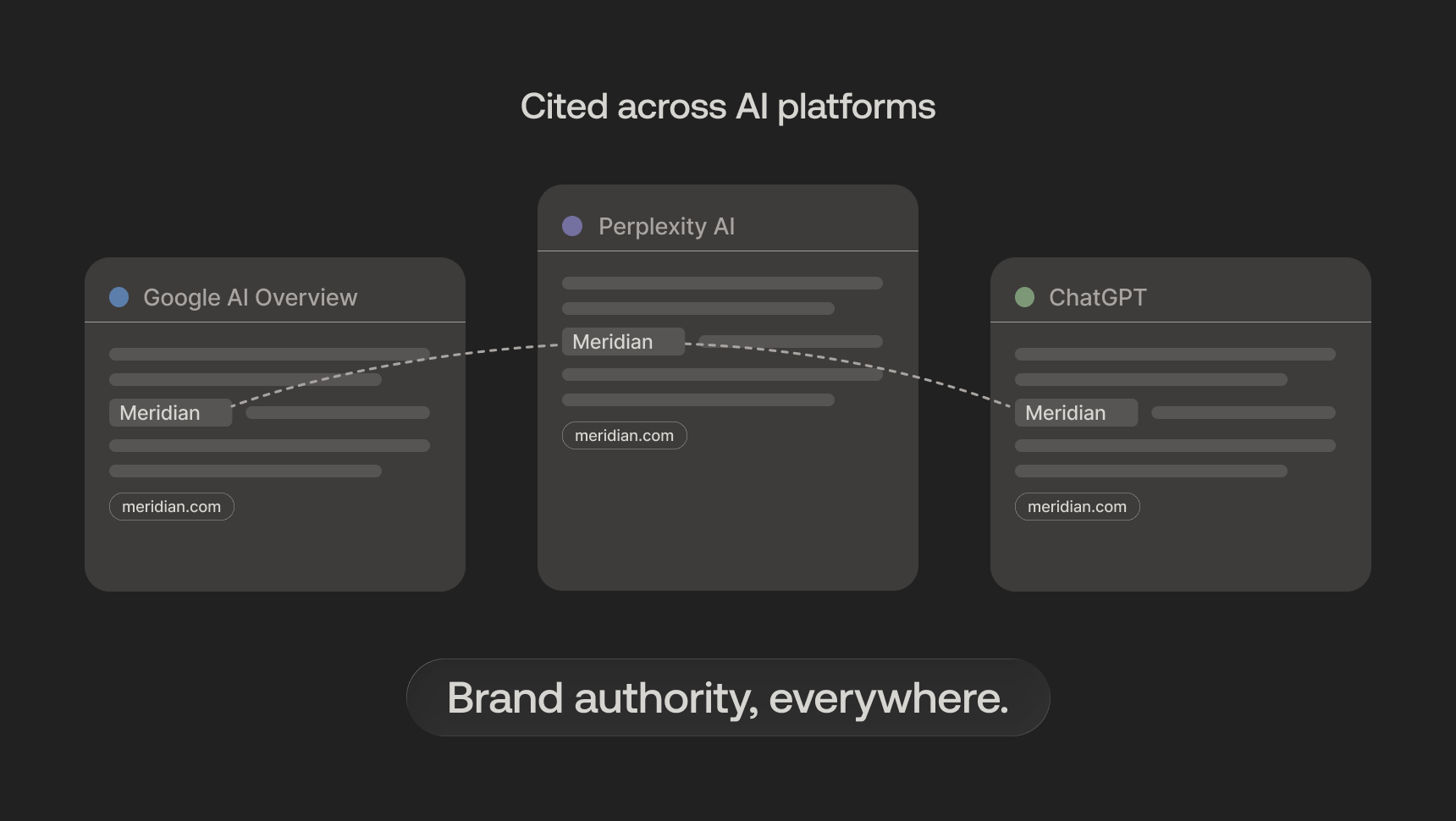
Search is no longer confined to one engine. AI interfaces across platforms are becoming primary discovery channels. Brands should optimise for environments beyond traditional search engines. For guidance, explore our article on Beyond Google: Optimising for Bing Chat, Gemini, and Perplexity.
Develop Authoritative Long Form Content
Comprehensive, well sourced content signals expertise. Referencing reputable research institutions and industry bodies reinforces trust signals.
Monitor AI Visibility
Traditional ranking tools provide only part of the picture. Monitoring AI answer inclusion, brand mentions, and entity recognition will become increasingly important.
We integrate these elements into a unified GSO strategy that prepares brands for the evolving mechanics of generative discovery.
The Future of Search Is Contextual, Conversational, and Entity Driven
Generative AI represents a structural transformation in how information is accessed. Search is evolving into a reasoning layer that interprets intent, synthesises knowledge, and delivers contextual answers.
The rise of multi agent systems signals a future where AI evaluates, compares, and contextualises information with greater depth. For brands, this means clarity, authority, and semantic coherence matter more than ever.
Organisations that adapt early will strengthen their position within AI driven ecosystems. Those that remain focused solely on traditional ranking signals risk losing influence in conversational discovery environments.
Search is becoming more intelligent, more contextual, and more entity aware. The brands that understand this shift will shape how they are represented in the next generation of digital interaction.
Evolve your digital strategy for this new era, connect with us.

Written by Omkar Gurjar
Omkar joins Sentius as the Head of Organic Search, bringing over 15 years of experience in the digital landscape. Having spent the last decade in Singapore, he possesses a deep understanding of global SEO strategies and a proven track record of helping international brands dominate organic search. He is a data-driven leader with a genuine enthusiasm for blending technical excellence with strategic content to help his clients thrive and grow in the digital space.
When he’s not developing SEO roadmaps, Omkar is a passionate sports enthusiast who never misses a chance to follow cricket or football. A true culinary explorer, he loves discovering local flavours and trying various cuisines wherever his travels take him, though he still holds a special fondness for the vibrant food scene in Singapore.
Written by Omkar Gurjar
Omkar joins Sentius as the Head of Organic Search, bringing over 15 years of experience in the digital landscape. Having spent the last decade in Singapore, he possesses a deep understanding of global SEO strategies and a proven track record of helping international brands dominate organic search. He is a data-driven leader with a genuine enthusiasm for blending technical excellence with strategic content to help his clients thrive and grow in the digital space.
When he’s not developing SEO roadmaps, Omkar is a passionate sports enthusiast who never misses a chance to follow cricket or football. A true culinary explorer, he loves discovering local flavours and trying various cuisines wherever his travels take him, though he still holds a special fondness for the vibrant food scene in Singapore.